Drift Off in Minutes: Natural Ways to Fall Asleep Fast Without Pills
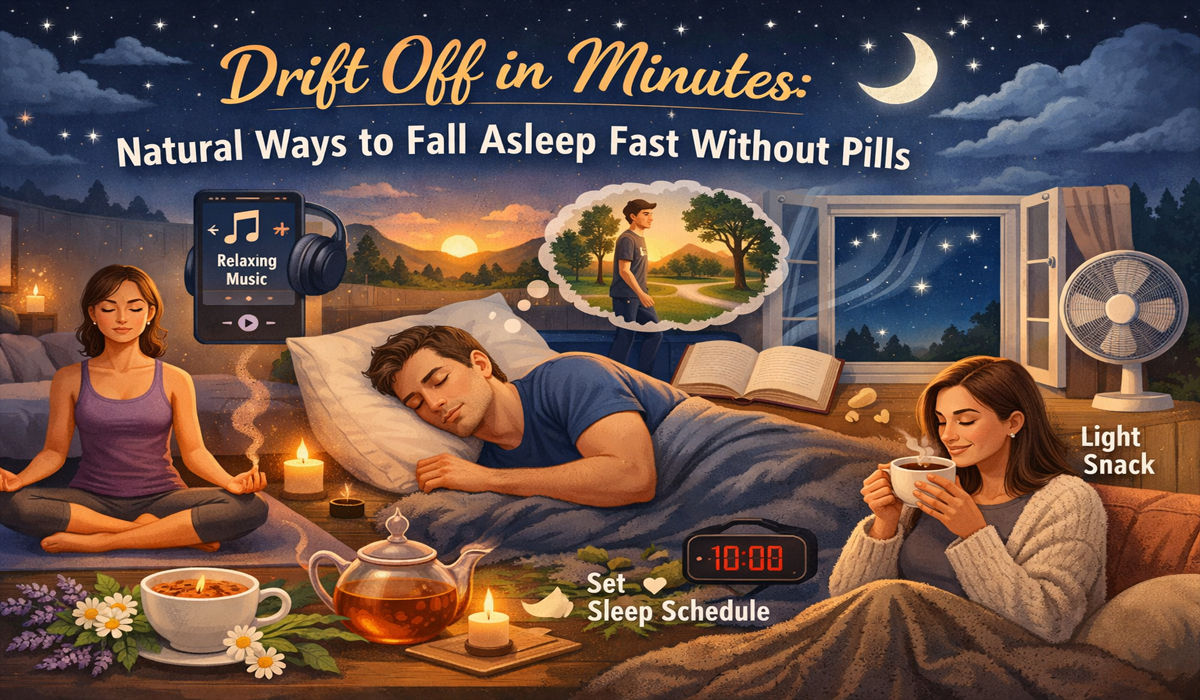
Natural ways to fall asleep fast without pills help you relax quickly and drift into deep sleep without medication for better sleep quality.
Below, TEACHING will provide some explanations regarding Reinventing Learning Systems for an Innovation-Driven Future.
Understanding Why Sleep Becomes Difficult
Many people struggle to fall asleep quickly, especially in today’s fast-paced and screen-filled lifestyle. Stress, irregular routines, and constant exposure to digital devices can disrupt the body’s natural sleep rhythm. When the brain stays overstimulated late into the night, it becomes harder to transition into a relaxed state, even when the body feels physically tired. This imbalance often leads to tossing and turning in bed for long periods.
Another common reason for sleep difficulty is inconsistent sleep habits. Going to bed at different times each night confuses the body’s internal clock, known as the circadian rhythm. Over time, this can delay melatonin production, the hormone responsible for making you feel sleepy. As a result, many individuals find themselves awake longer than they intend, searching for quick solutions that don’t always involve medication.
Creating a Sleep-Friendly Environment
One of the most effective natural ways to fall asleep faster is optimizing your bedroom environment. A cool, dark, and quiet room signals your brain that it is time to rest. Small adjustments such as lowering the room temperature, using blackout curtains, or minimizing noise can significantly improve sleep quality. Even subtle changes in lighting can help the body shift into relaxation mode more efficiently.
In addition to physical conditions, comfort plays a major role in sleep readiness. A supportive mattress and pillow that align with your sleeping posture can reduce discomfort and prevent frequent waking during the night. Removing distractions like bright LED lights or electronic devices from the bedroom also strengthens the brain’s association between the bed and sleep, making it easier to drift off naturally.
Relaxation Techniques That Calm the Mind
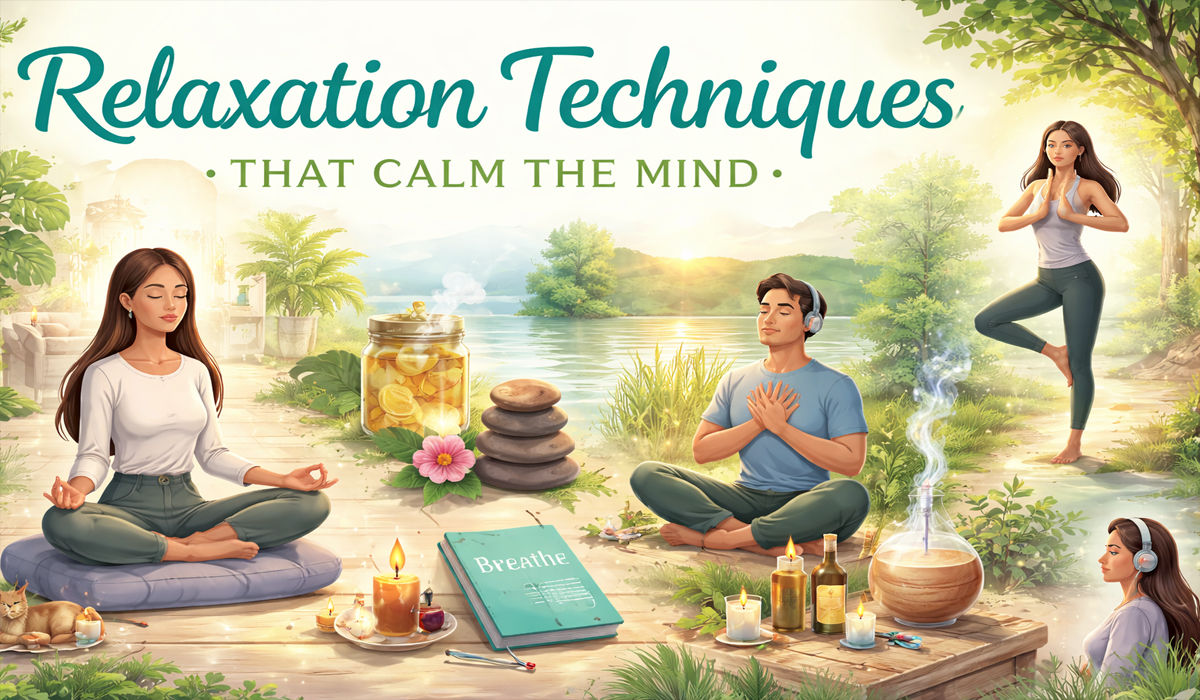
Breathing exercises are one of the simplest yet most powerful tools for falling asleep quickly. Techniques such as deep breathing or the 4-7-8 method help slow the heart rate and reduce stress levels. By focusing on steady, controlled breathing, the mind gradually shifts away from anxious or racing thoughts, creating a calm internal state that supports sleep onset.
Another helpful method is progressive muscle relaxation, where you gently tense and release different muscle groups in the body. This technique releases physical tension accumulated throughout the day and promotes a deep sense of relaxation. Many people also find guided meditation or soft ambient sounds useful for quieting mental noise and preparing the mind for restful sleep.
Building Healthy Habits for Better Sleep
Consistency is key when it comes to improving sleep naturally. Going to bed and waking up at the same time every day helps regulate the body’s internal clock. Over time, this routine trains the brain to recognize when it is time to sleep, making the process faster and more effortless without the need for external aids.
Lifestyle choices during the day also influence nighttime sleep quality. Reducing caffeine intake in the afternoon, engaging in regular physical activity, and avoiding heavy meals before bedtime can all contribute to smoother sleep transitions. When combined, these habits create a strong foundation for falling asleep quickly and maintaining a healthy sleep cycle without relying on pills.
For the latest and most interesting related information, you can also click the TEACHING link.
Image Source:
First Image from businessyoast.com
Second Image from www.healthline.com