Using Technology to Develop Your Business
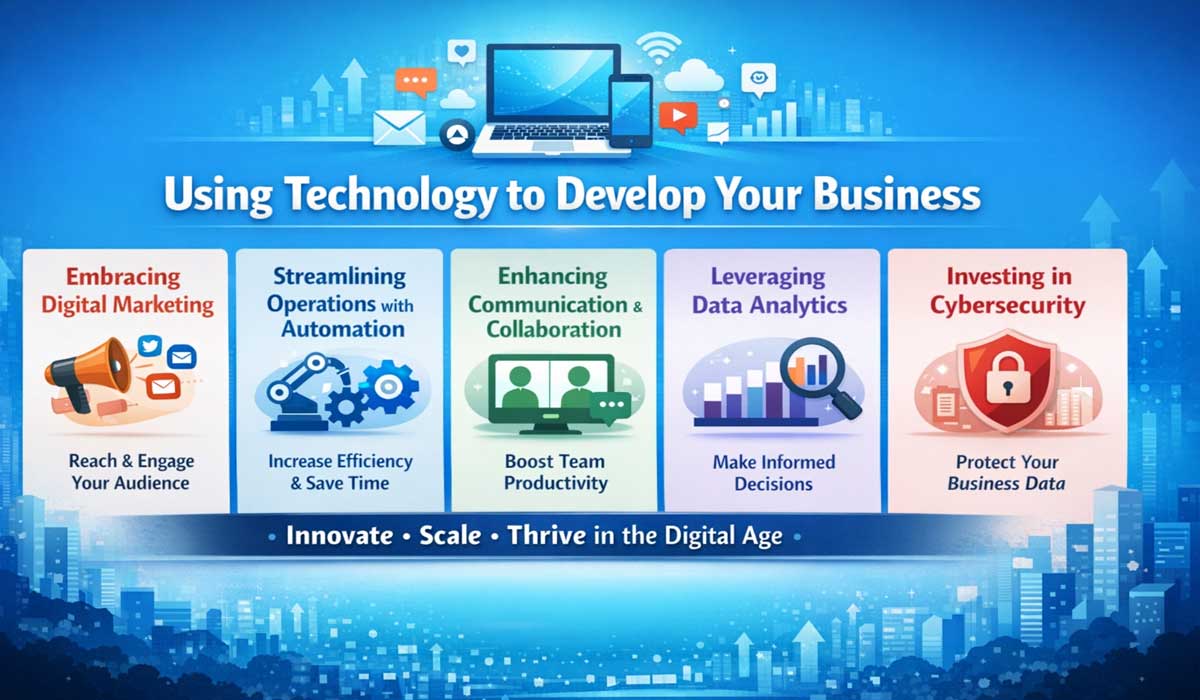
In today’s fast-paced world, technology has become an essential driver of business growth, companies that harness innovative tools can streamline operations, and gain a competitive edge.
From small startups to large corporations, the integration of technology into everyday processes is no longer optional. Understanding how to leverage digital solutions effectively, as highlighted by Home – Business Yoast, can transform challenges into opportunities and help businesses thrive in an increasingly connected global market.
Embracing Digital Marketing
Digital marketing has revolutionized the way businesses connect with customers. Social media platforms, email campaigns, and search engine optimization allow companies to target audiences more precisely and measure results in real time. By embracing these tools, businesses can increase brand awareness while reducing marketing costs compared to traditional methods.
Moreover, digital marketing enables personalized interactions with customers. Advanced analytics help track user behavior, preferences, and engagement patterns, providing valuable insights. This data-driven approach allows businesses to refine strategies continuously and deliver content that resonates with their audience, fostering stronger customer relationships and loyalty.
Streamlining Operations with Automation
Automation technology is transforming business operations by handling repetitive tasks efficiently. Tools like inventory management software, automated invoicing, and customer service chatbots reduce human error and save time. Businesses can focus more on strategic planning and creative problem-solving, rather than being bogged down by manual processes.
Additionally, automation improves scalability. As companies grow, these systems can adapt to increased workloads without requiring proportional increases in staff. This flexibility ensures consistent performance, reduces operational costs, and allows businesses to respond quickly to market changes, maintaining competitiveness in dynamic industries.
Read Als0: Digital Transformation In Business: Current Opportunities And Challenges
Enhancing Communication and Collaboration

Technology has redefined communication and teamwork within organizations. Platforms such as video conferencing, project management tools, and instant messaging facilitate collaboration across locations and time zones. Employees can share ideas, track progress, and coordinate projects seamlessly, increasing productivity and reducing delays.
Cloud-based solutions further enhance collaboration by centralizing data access. Team members can work on documents simultaneously, ensuring everyone stays updated in real time. This transparency and connectivity foster a culture of cooperation, accelerate decision-making, and help businesses achieve goals more efficiently while maintaining high standards of quality.
Leveraging Data Analytics for Strategic Decisions
Data analytics provides critical insights that drive informed business decisions. By analyzing customer behavior, market trends, and operational performance, companies can identify opportunities and mitigate risks. Predictive analytics allows businesses to anticipate changes, optimize inventory, and improve financial planning with greater accuracy.
Beyond strategy, analytics also enhances customer experiences. Understanding preferences and engagement patterns enables businesses to offer personalized services, recommendations, and promotions. This targeted approach strengthens relationships, increases satisfaction, and promotes long-term loyalty, ultimately contributing to sustainable growth and profitability.
Investing in Cybersecurity
As businesses rely more on technology, cybersecurity becomes increasingly vital. Protecting sensitive data, financial information, and customer records is essential to maintain trust and comply with regulations. Implementing strong security protocols, encryption methods, and regular system updates minimizes the risk of cyberattacks and data breaches.
Investing in cybersecurity also safeguards business continuity. In case of a threat, backup systems and incident response plans ensure operations can continue without significant disruption. Prioritizing security not only protects assets but also enhances a company’s reputation, assuring clients and stakeholders that their information is safe.
Image Source From
First Photo From: businessyoast.com
Second Photo of: icehrm.com