Smart Schools Bright Futures: The New Era Of Global Education
Education is undergoing one of the most significant transformations in human history, driven by rapid technological advances.
The traditional classroom model rows of desks, static textbooks, and uniform instruction for all is rapidly evolving. Around the world, smart schools are redefining how students learn, how teachers teach, and how society interacts with knowledge.
Below, you can find the latest information about Smart Schools.
The Rise of Smart Learning Environments
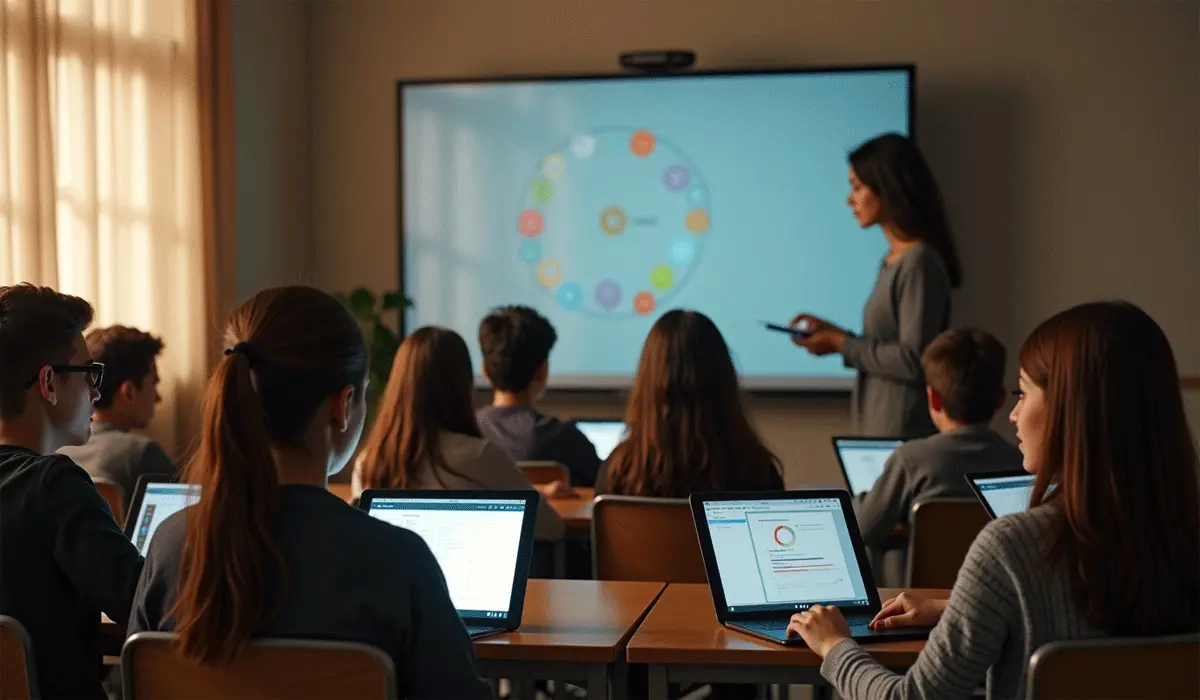
Smart schools integrate advanced technology into everyday learning experiences. Interactive boards, cloud-based resources, artificial intelligence tools, and virtual classrooms are becoming common features. These tools do more than modernize classrooms; they create dynamic, interactive, and personalized learning environments.
Students today can access information instantly, collaborate with peers across continents, and explore immersive simulations that make complex subjects easier to understand. For example, virtual reality can transport learners to historical events or inside the human body, transforming abstract lessons into tangible experiences.
More importantly, smart environments shift the focus from passive listening to active participation, .earners are encouraged to ask questions, solve problems, and think critically. This transformation nurtures deeper understanding and stronger engagement, which are essential skills in a rapidly changing global landscape.
Personalized Learning for Every Student
One of the most powerful features of smart education is personalization. Traditional systems often move at a single pace, leaving some students behind while others feel unchallenged. Smart schools use data-driven insights to tailor instruction to individual needs.
Adaptive learning platforms analyze student performance and adjust content accordingly, if a learner struggles with a math concept, the system provides additional practice and explanations. If another excels, it introduces advanced challenges, this flexibility ensures that every student receives the right level of support.
Personalized learning also empowers students to take ownership of their education, by setting goals, tracking progress, and choosing learning paths, students develop responsibility and self-motivation, these qualities extend beyond academics and contribute to long-term personal and professional success.
Read Also: Why Staying Active Is the Key to Whole-Body Health
Teachers as Mentors And Innovators

In the new era of global education, the role of teachers is evolving. Rather than being the sole source of information, educators become facilitators, mentors, and guides. Technology handles routine tasks like grading quizzes or tracking attendance, allowing teachers to focus on meaningful interactions.
Smart schools encourage educators to design creative projects, foster collaboration, and nurture critical thinking. Teachers can use digital tools to monitor student progress in real time and provide immediate feedback. This responsiveness strengthens learning outcomes and builds trust.
Professional development is also a key component of smart education. Teachers receive training in digital literacy, innovative teaching strategies, and global collaboration. By continuously updating their skills, educators remain at the forefront of educational transformation.
Global Connectivity And Cultural Exchange
Smart schools connect students beyond geographic boundaries. Through online platforms and international partnerships, learners can collaborate with peers from different cultures and backgrounds. This global connectivity broadens perspectives and fosters empathy.
Students participate in virtual exchange programs, joint research projects, and cross-cultural discussions. These experiences help them understand global challenges such as climate change, economic inequality, and technological ethics. Education becomes not only academic but also deeply human and socially aware.
By embracing diversity and global collaboration, smart schools prepare students for international careers and multicultural environments. They learn communication skills, adaptability, and cultural sensitivity—qualities essential in today’s interconnected world.
Future Careers & Lifelong Learning
The job market is evolving rapidly due to automation, artificial intelligence, and digital transformation. Many future careers do not yet exist. Smart schools recognize this reality and focus on developing transferable skills rather than memorizing static content.
Critical thinking, creativity, collaboration, and digital literacy are prioritized. Project-based learning encourages students to solve real-world problems and apply knowledge in practical contexts. Coding, data analysis, and entrepreneurial thinking are integrated into curricula across disciplines.
Equally important is cultivating a mindset of lifelong learning, in a world where knowledge quickly becomes outdated, the ability to learn continuously is invaluable. Smart schools instill curiosity and resilience, ensuring that students remain adaptable throughout their lives.
Conclusion
Smart schools represent more than technological advancement; they symbolize a shift in educational philosophy. By embracing innovation, personalization, and global connectivity, they create environments where students can thrive academically and personally.
As education continues to evolve, the focus must remain on empowering learners with the skills, values, and confidence needed for an uncertain future. Smart schools truly illuminate the path toward bright futures in the new era of global education.
Image Source:
- First Image from: https://www.vellso.com/
- Second Image from: https://www.taotesting.com/