Learning Without Limits Transforming Education in the Digital Era
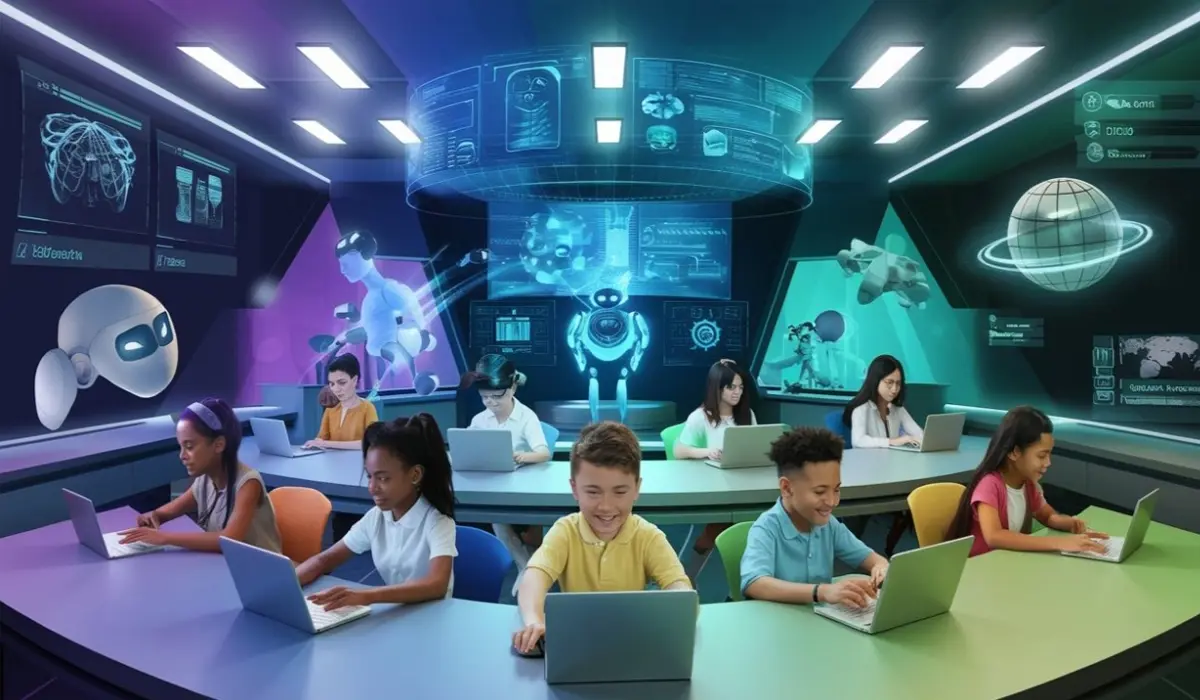
The digital era has brought many fundamental changes to various aspects of life, including education and others.
Information and communication technology provides the opportunity to create more flexible, personalized, and efficient learning models. Learning is no longer limited by classrooms or specific times, allowing anyone to access knowledge more broadly. Check out the complete facts about Educational Transformation in the Digital Era, only at Home – Business Yoast.
Evolution of Learning Methods
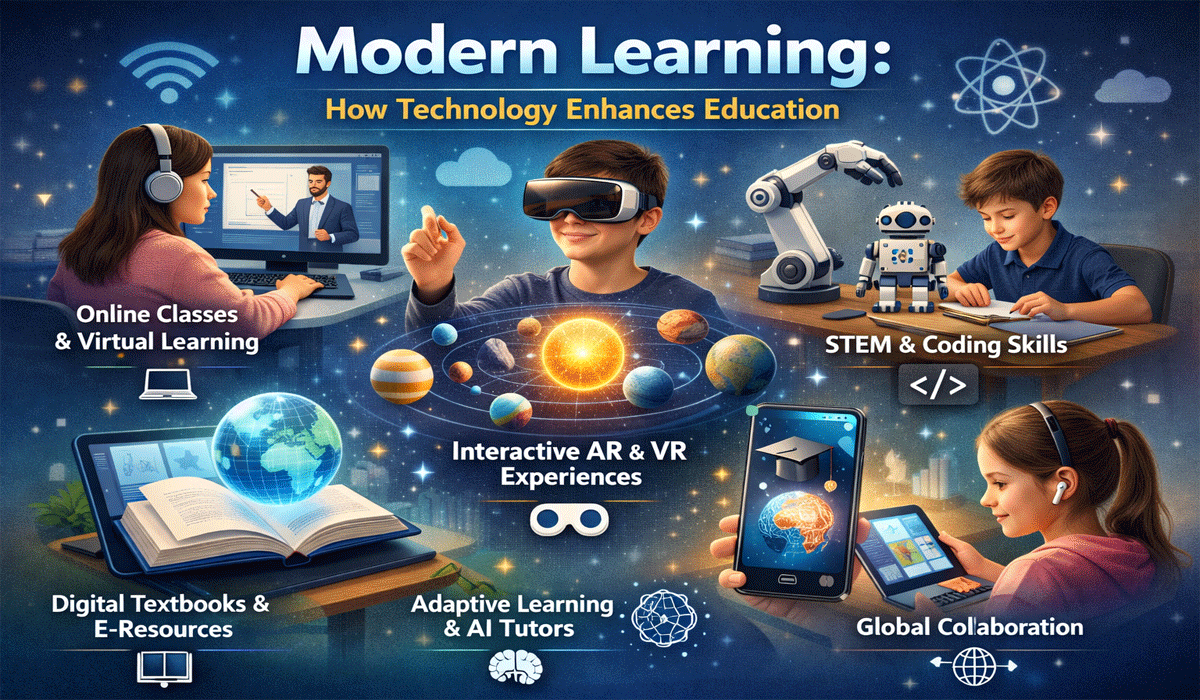
Significant changes have occurred in learning methods since the introduction of digitalization. Traditionally, learning was face-to-face with a rigid curriculum and a uniform schedule. However, the digital era allows for more interactive and adaptive methods. Online learning platforms offer interactive modules, video tutorials, and simulations that can be adjusted to an individual’s learning pace. This encourages more personalized and relevant learning, as materials can be selected based on needs and interests.
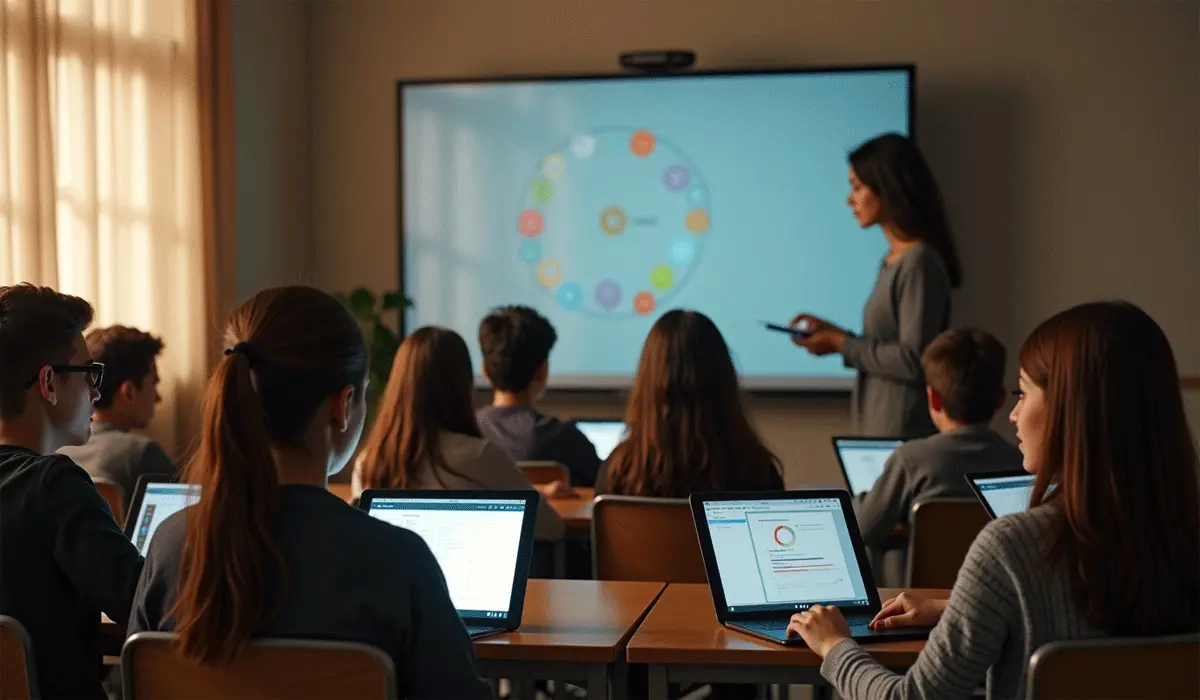
Furthermore, the use of technology in education has enhanced the role of teachers. Their role has transformed from merely providing information to facilitators who guide students in finding and critically processing information. With technology, teachers can utilize data analytics to understand learning progress and provide appropriate interventions for students who need more assistance.
More Equitable Access to Education
One of the most significant impacts of the digital era is the increased equity of access to education. Online learning platforms allow anyone around the world to access quality materials without geographical boundaries. No longer confined to specific schools or universities, learning can be accessed via computer, tablet, or mobile device.
The ability to learn online opens up opportunities for groups that previously had limited access, such as those in remote areas or those with physical disabilities. Furthermore, the availability of certified online courses and open resources expands opportunities to improve professional skills. This equitable access is a crucial step towards creating a more educated and competitive society.
Read Also: Lifestyle Staying Healthy In The Busy Digital Age
Integrating Technology and Interactive Learning

Technology not only provides access but also enhances the quality of learning through interactivity. The use of augmented reality (AR), virtual reality (VR), and gamification in the learning process makes the learning experience more engaging and immersive. For example, students can explore world history through 3D simulations or learn physics concepts through safe and realistic virtual experiments.
Furthermore, artificial intelligence (AI) enables more precise personalization of learning. AI can analyze learning data and recommend additional materials or exercises tailored to individual abilities. This approach not only improves understanding of the material but also helps maintain learning motivation, as students find the learning process more relevant and challenging, tailored to their abilities.
Challenges and Solutions in Digital Education
Despite offering various advantages, digital transformation also presents its own challenges. One major challenge is the digital divide, where not all students have equal access to devices and internet connections. This can lead to inequalities in learning achievement if not addressed properly.
Furthermore, the use of technology requires adequate digital literacy. Students and educators need to understand how to utilize digital tools effectively, including information management skills, data security, and ethical technology use. To address this, educational institutions need to provide adequate training and resources, and develop policies that support the responsible use of technology.
The Future of Education in the Digital Age
The future of education in the digital age is predicted to be increasingly dynamic and inclusive. Hybrid learning models, combining face-to-face and online learning, are expected to become the new standard. This approach allows for greater flexibility while maintaining social interaction and the development of collaborative skills.
Furthermore, global collaboration is increasingly enabled through technology. Students can work on cross-border projects, share ideas, and learn from different cultural perspectives. This not only broadens academic horizons but also enhances social skills and adaptability in an increasingly global workplace.
Educational transformation will also encourage the development of curricula that are more relevant to 21st-century needs, including critical thinking, creativity, and digital literacy skills. Education is no longer just about memorizing facts, but also develops analytical thinking and problem-solving skills that can be applied in real-world contexts. Thank you for taking the time to find out interesting information about Educational Transformation in the Digital Era at Home – Business Yoast, we will provide lots of other information.
Image Information Source:
First Image from: linkedin.com
Second Image from: gsep.pepperdine.edu