How to Boost Your Immune System Naturally
Your body’s immune system is your frontline defense against illnesses, infections, and even chronic diseases.
While medical interventions play a role, you can naturally strengthen your immunity through lifestyle habits, nutrition, and daily practices. Understanding how to boost your immune system naturally empowers you to take charge of your health and resilience.
The following Home – Business Yoast will explain about how to boost your immune system naturally.
Prioritize Nutrition for Immune Health
Eating a balanced diet rich in vitamins, minerals, and antioxidants is fundamental for a strong immune system. Nutrients like vitamin C, vitamin D, zinc, and selenium play a vital role in supporting immune cells and reducing inflammation. Incorporating fruits, vegetables, whole grains, and lean proteins ensures your body has the essential building blocks to fight off infections.
Certain foods are especially beneficial for immune support. Citrus fruits, bell peppers, and berries provide vitamin C, which helps stimulate white blood cell production. Garlic, ginger, and turmeric are known for their anti-inflammatory and antimicrobial properties, helping the body resist pathogens naturally. Including a variety of these foods in daily meals strengthens your body’s natural defense mechanisms.
Hydration also significantly impacts immunity. Water aids in flushing out toxins and transporting nutrients to cells, ensuring optimal immune function. Herbal teas, broths, and water-rich fruits like watermelon can supplement hydration and provide additional immune-boosting compounds. Staying well-hydrated supports your body in maintaining balance and resilience against illnesses.
Engage in Regular Physical Activity
Exercise isn’t just for weight management it’s a powerful tool for immune health. Moderate-intensity activities such as brisk walking, cycling, or yoga can enhance circulation, allowing immune cells to move more efficiently throughout the body. Physical activity also reduces stress hormones that can suppress immune function, keeping your defenses strong.
Regular exercise stimulates the production of white blood cells and antibodies, which help your body identify and combat pathogens. It also supports lymphatic circulation, which is essential for removing waste products and toxins. Over time, consistent physical activity can lead to improved immune surveillance and quicker recovery from illnesses.
However, balance is key. While moderate exercise boosts immunity, excessive high-intensity workouts without proper recovery can temporarily suppress immune function. Listening to your body, maintaining a consistent routine, and incorporating rest days ensures that physical activity strengthens rather than weakens your immune system.
Also Read: Innovation at Work: How Business and Technology Shape The Future
Prioritize Sleep and Stress Management
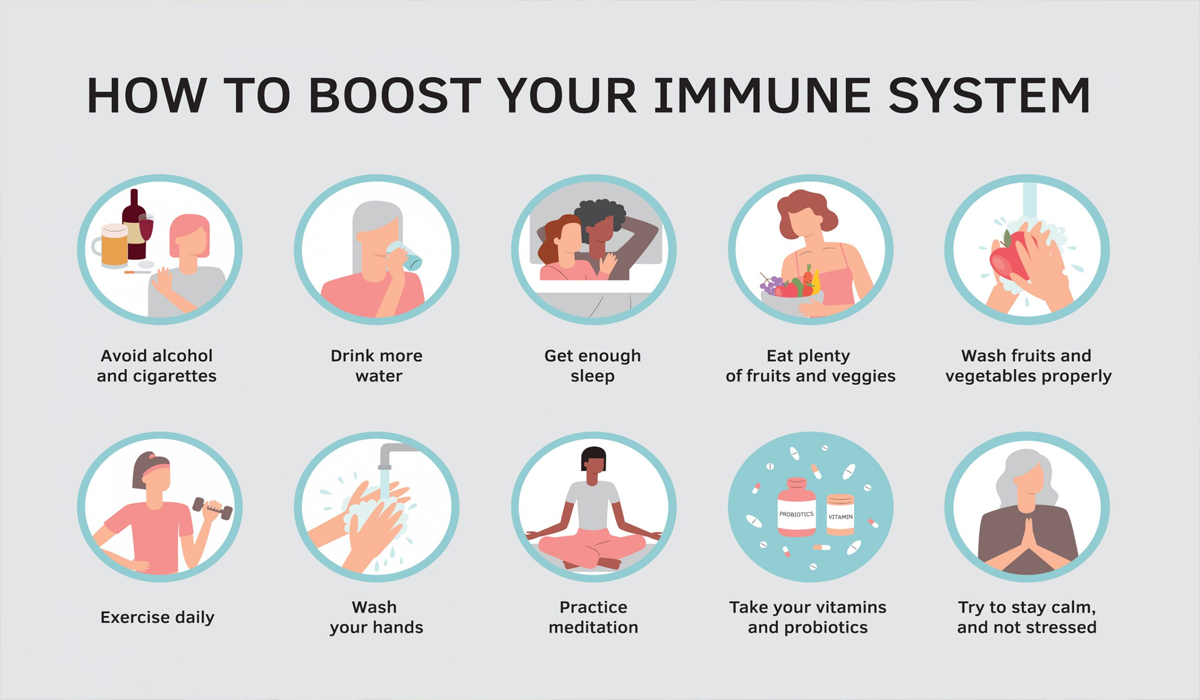
Sleep is a cornerstone of immune health. During deep sleep, the body produces cytokines, proteins that target infections and inflammation. Chronic sleep deprivation can reduce the production of these vital proteins, leaving you more susceptible to illness. Adults should aim for 7–9 hours of quality sleep per night to optimize immune function.
Managing stress is equally important. Chronic stress increases the production of cortisol, a hormone that can suppress immune response and increase inflammation. Techniques like meditation, deep breathing exercises, mindfulness, and journaling have been shown to reduce stress levels and improve immune resilience.
Creating a sleep-friendly environment also supports immune health. Limiting exposure to screens before bedtime, keeping the bedroom cool and dark, and establishing a consistent bedtime routine enhance sleep quality. When your mind and body are well-rested, your immune system operates at its full potential.
Support Your Gut Microbiome
A healthy gut is closely linked to a strong immune system, as approximately 70% of immune cells reside in the gut. Consuming probiotics and prebiotics helps maintain a balanced gut microbiome, supporting the body’s ability to fight off harmful pathogens. Yogurt, kefir, sauerkraut, and other fermented foods are excellent sources of beneficial bacteria.
Prebiotics, which feed the beneficial bacteria in your gut, are equally important. Foods like garlic, onions, asparagus, and bananas provide fiber that nourishes the gut microbiome. A diverse and thriving gut environment enhances digestion, nutrient absorption, and immune cell communication.
Limiting processed foods, excessive sugar, and artificial additives also protects gut health. These substances can disrupt the balance of gut bacteria, reducing immune efficiency. By nurturing your gut microbiome with whole foods and natural probiotics, you create a strong foundation for long-term immune health.
Conclusion
Boosting your immune system naturally is a holistic approach that combines nutrition, physical activity, restorative sleep, stress management, and gut health. Small, consistent changes in your daily habits can significantly strengthen your body’s defenses against illness. By prioritizing whole foods, moderate exercise, restful sleep, and a healthy gut, you empower your immune system to function at its best. Remember, natural immunity isn’t about quick fixes it’s about sustainable lifestyle choices that support your health for years to come.
Check out the latest and other interesting information only at How to Boost Your Immune System Naturally.
Image Information Source:
First Image: alphaspinecenter.com
Second Image: seniorstoday.in