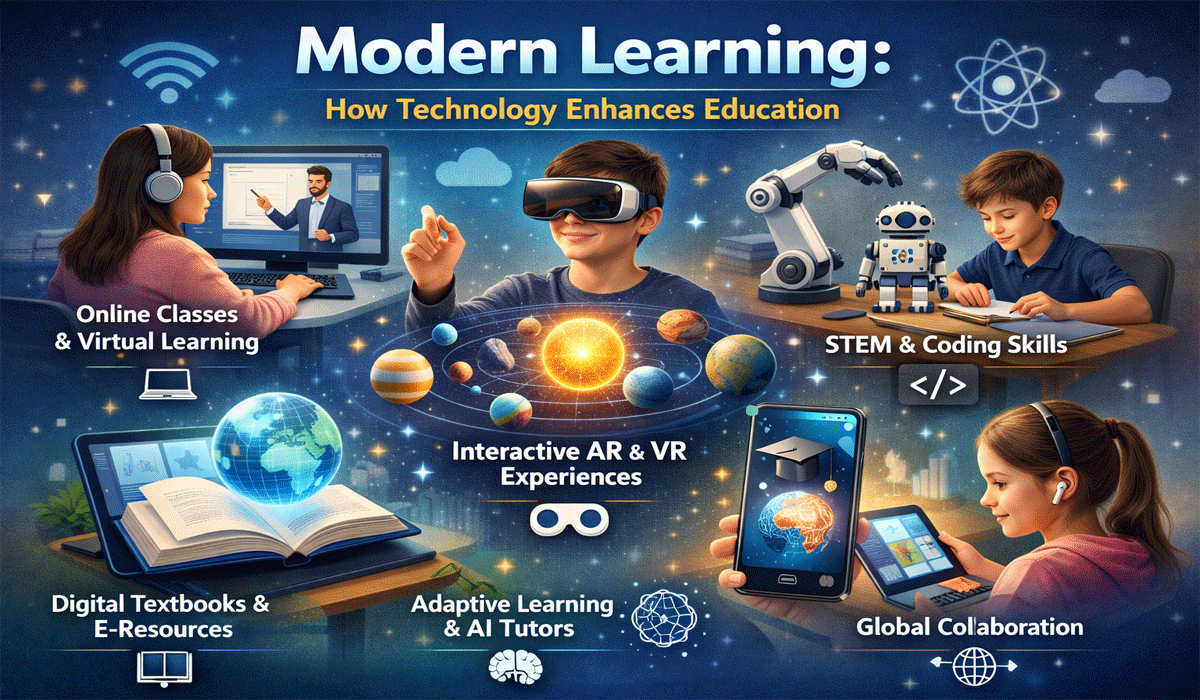
Embracing the Future: Educational Business Innovation in The Digital Age
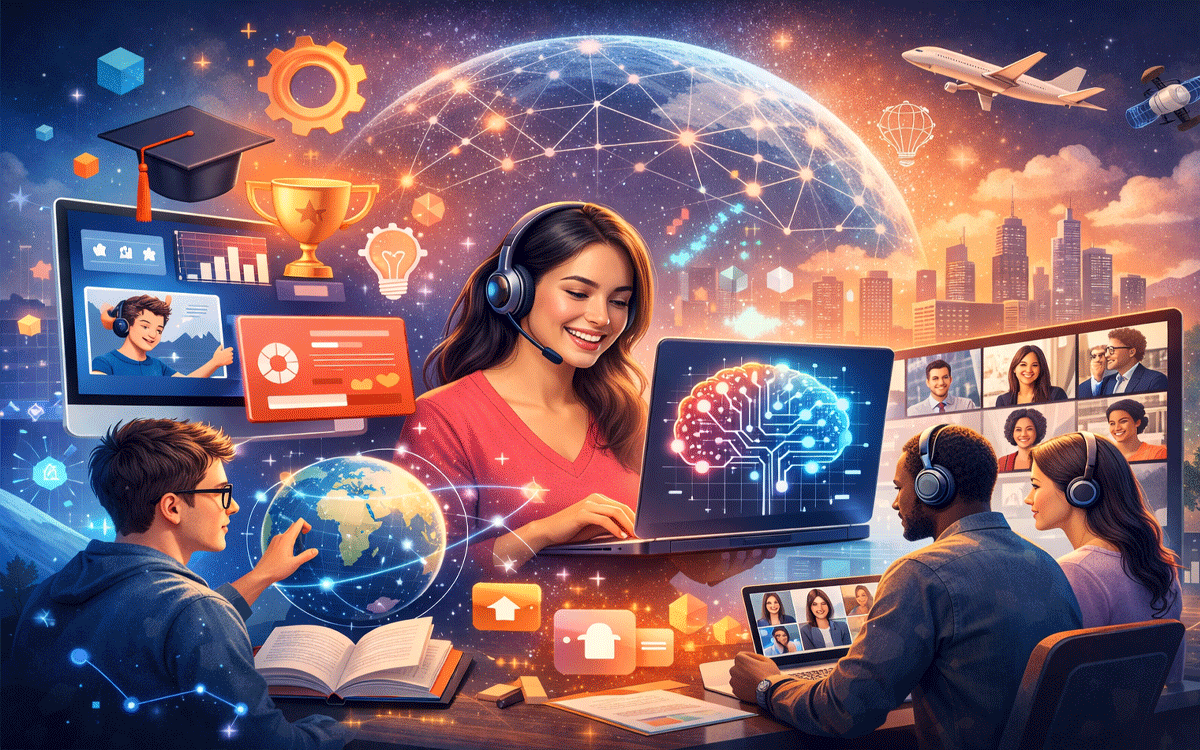
In the digital age, how we learn, communicate, and do business has been completely reshaped, creating exciting opportunities for growth and creativity.
Educational enterprises now face an unprecedented opportunity to innovate. By blending technology, creativity, and human-centered approaches, they can deliver scalable, engaging, and meaningful learning experiences that reach learners globally, shaping the future of education.
Below Home – Business Yoast we will discuss how educational business innovation is evolving in the digital age, where technology, creativity, and a human-centered approach create more engaging, effective, and accessible learning experiences.
The Rise Of Digital Learning Platforms
Digital learning platforms have revolutionized accessibility to education. Learners can now access high-quality courses, resources, and interactive tools from anywhere in the world, removing traditional geographical and economic barriers.
These platforms use videos, quizzes, discussion boards, and gamified content to make learning more engaging. Companies that adopt these strategies attract diverse audiences while enhancing student retention and satisfaction.
Analytics and data integration allow platforms to track learner progress, identify knowledge gaps, and optimize content. Businesses benefit from improved outcomes, operational efficiency, and the ability to scale quickly in competitive markets.
Personalization Through Artificial Intelligence
Artificial intelligence enables education to move beyond one-size-fits-all learning. Adaptive systems analyze performance, engagement, and preferences, then deliver customized content that suits individual needs.
Students receive targeted learning paths, real-time feedback, and AI-driven tutoring. This personalization fosters motivation, retention, and academic success, while businesses gain a competitive advantage with innovative offerings.
AI also predicts learner trends and emerging market demands, guiding curriculum development and content strategy. Companies that integrate AI into their platforms remain agile, relevant, and positioned as leaders in digital education.
Gamification And Interactive Experiences
Gamification transforms education into an enjoyable, immersive, and motivating journey. Points, leaderboards, badges, and challenges encourage learners to participate actively and complete their programs consistently.
Interactive simulations, virtual labs, and scenario-based exercises allow learners to practice real-world skills safely. This hands-on experience bridges the gap between theoretical knowledge and practical application.
Educational businesses incorporating gamification see higher engagement, stronger retention, and greater brand loyalty. By creating memorable learning experiences, companies can stand out in an increasingly competitive market.
Read Also: Learning Without Limits Transforming Education in the Digital Era
Collaborative Learning And Global Connectivity

Digital tools enable learners to collaborate across regions, fostering teamwork, communication, and cross-cultural understanding. Online forums, virtual classrooms, and group projects connect students regardless of location.
Educational businesses benefit from this global connectivity by expanding their networks, reaching international markets, and engaging instructors, experts, and learners worldwide. Knowledge sharing becomes seamless and impactful.
Collaboration also cultivates critical thinking, creativity, and problem-solving skills. Businesses emphasizing interaction and networking prepare learners for the demands of the modern workplace, enhancing both educational and professional outcomes.
Future Outlook And Conclusion
The educational business landscape is evolving at unprecedented speed. Technology, changing learner expectations, and global connectivity are driving continuous innovation. Companies must remain agile, forward-thinking, and human-centered to succeed.
By embracing digital platforms, AI personalization, gamification, and collaborative approaches, businesses can deliver meaningful, scalable, and profitable educational experiences. Innovation, empathy, and adaptability are key to long-term success.
In conclusion, the future of education is both digital and human-centered. Businesses that thoughtfully innovate will shape the next era of learning, fostering creativity, accessibility, and opportunity for learners worldwide. The companies that embrace these changes will not only thrive but also redefine how knowledge is shared, applied, and experienced globally.
To explore more about the latest trends in educational technology, visit Home – Business Yoast.
Image Information Source:
First Image from: businessyoast.com
Second Image from: .linkedin.com