Healthy Habits Early Early For A More Productive And Energetic Life
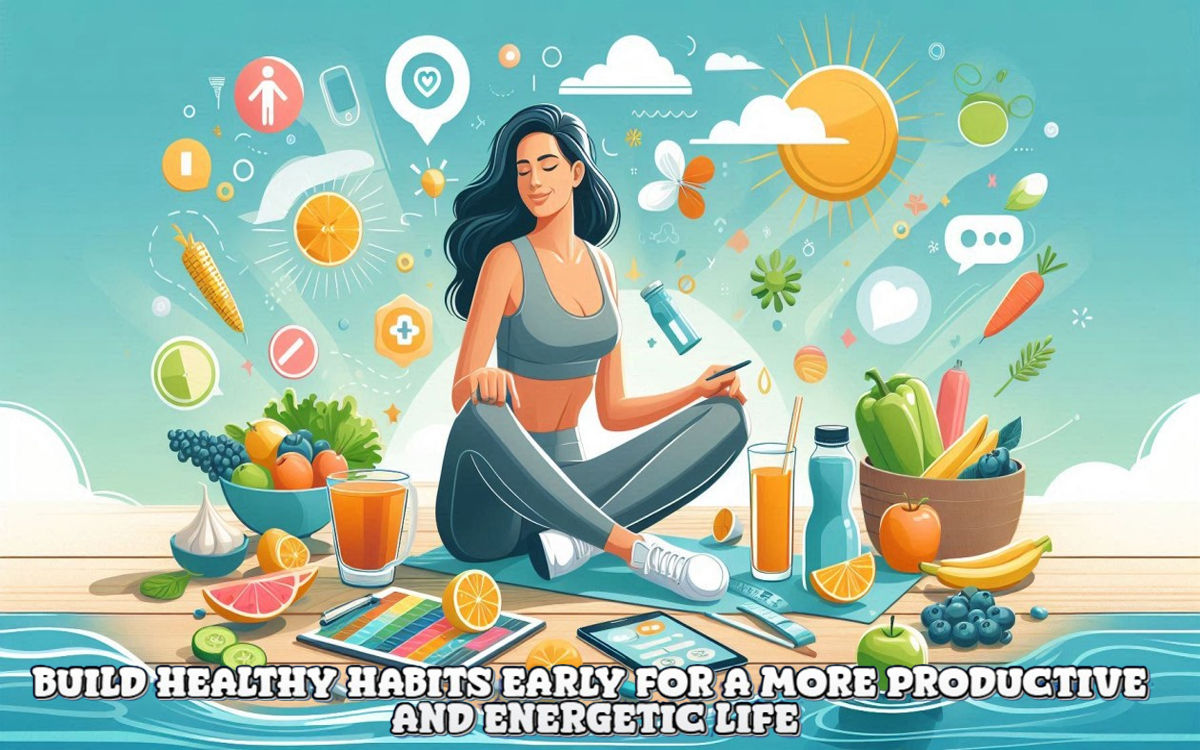
Building healthy habits early in life plays a crucial role in shaping long-term productivity and energy levels.
When individuals start adopting positive routines during their youth, they create a strong foundation for physical strength, mental clarity, and emotional stability. These habits include maintaining balanced nutrition, exercising regularly, managing stress effectively, and getting enough rest. Over time, consistent practice of these behaviors becomes second nature and significantly improves overall quality of life.
Early habit formation also reduces the risk of developing chronic health problems in the future. By focusing on prevention rather than treatment, individuals can avoid many lifestyle-related diseases such as obesity, diabetes, and cardiovascular issues. In addition, cultivating discipline at a young age helps strengthen self-control and decision-making skills.
Below, HEALTHY HABITS will provide some explanations regarding Reinventing Learning Systems for an Innovation-Driven Future.
Nutrition And Physical Activity As Key Foundations
Proper nutrition is one of the most important pillars of a healthy lifestyle. Consuming balanced meals that contain vitamins, minerals, protein, healthy fats, and carbohydrates provides the body with the energy it needs to function optimally. Avoiding excessive processed foods and sugary beverages also contributes to maintaining stable energy levels throughout the day.
Regular physical activity complements good nutrition by strengthening muscles, improving cardiovascular health, and enhancing mental well-being. Activities such as jogging, swimming, cycling, or team sports increase endurance and boost mood through the release of natural hormones. Even simple daily movements like walking or stretching can make a significant difference.
Mental Health, Discipline And Stress Management
Mental health is just as important as physical health when it comes to building an energetic life. Young individuals often face academic pressure, career expectations, and social challenges that may lead to stress. Developing healthy coping mechanisms such as meditation, journaling, deep breathing, or talking with trusted friends can reduce emotional strain.
Discipline also plays a key role in maintaining consistency in healthy habits. Setting daily goals, managing time efficiently, and limiting distractions from excessive screen usage contribute to better performance in daily activities. When individuals train themselves to follow structured routines, they improve both personal responsibility and productivity.
Also Read: The Secret To A Healthy Body: 7 Habits You Should Practice Every Day
Sleep Quality And Long-Term Consistency

Quality sleep is essential for restoring energy and supporting cognitive function. During sleep, the body repairs tissues, strengthens the immune system, and processes information learned throughout the day. Young people who prioritize consistent sleep schedules often experience improved concentration, better mood stability, and enhanced physical performance.
Long-term consistency is the key to sustaining healthy habits. Rather than focusing on short-term motivation, individuals should aim to create realistic routines that can be maintained over time. Small daily improvements, when practiced continuously, produce significant results.
Conclusion
Building healthy habits early is an investment in a stronger and more productive future. When individuals focus on proper nutrition, regular physical activity, mental well-being, and sufficient sleep, they create a lifestyle that supports long-term success.
Consistency and discipline determine the effectiveness of any healthy routine. By maintaining positive behaviors over time and continuously improving them, individuals can enjoy higher energy levels and better overall quality of life. Starting early makes the journey easier and ensures sustainable growth toward a healthier and more fulfilling future.
For the latest and most interesting related information, you can also click the TEACHING link.
Image Source:
First Image from linkedin.com
Second Image from lulltape.com