Education Today: Preparing Children For Global Challenges
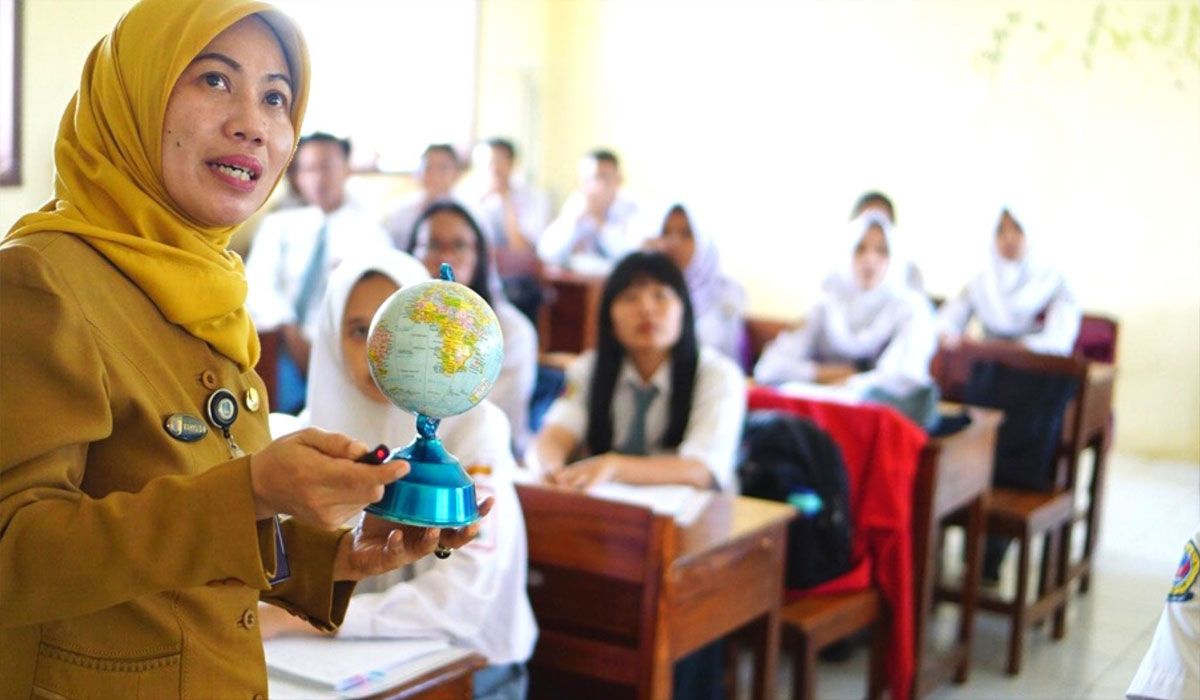
In the era of globalization and rapid technological advancement, education is no longer just about teaching reading, writing, and arithmetic.
Today’s world demands that children possess a broader set of skills: critical thinking, creativity, collaboration, and digital literacy. Modern education must prepare young people not only to adapt but also to compete and contribute positively on a global scale. This transformation requires teachers, parents, and the education system itself to continually evolve to meet the needs of the times.
Below, Home – Business Yoast we’ll provide some interesting information you should know.
The Importance Of Global Education
Global education emphasizes understanding world issues, fostering tolerance, and promoting cross-cultural awareness. Children are encouraged to see broader perspectives, understand differences, and respect diversity. This approach not only equips them to face an interconnected world but also develops their critical thinking in addressing complex problems. Through global education, students grow into individuals who are socially responsible and globally minded.
Moreover, global education prepares children to navigate the international economy. Competencies such as foreign language communication, understanding technological trends, and collaborating across borders become increasingly vital. Children equipped with these skills gain advantages in the future workforce, where mobility and cross-cultural interaction are commonplace. Education today is no longer merely a tool for employment but a bridge to shaping adaptive and innovative global citizens.
Innovations In Learning Methods
Traditional, monotonous learning methods are gradually being replaced by more interactive approaches. Children are encouraged to learn through projects, experiments, and real-world case studies. This method not only deepens understanding but also develops problem-solving and collaborative skills. With dynamic learning approaches, students become more motivated and actively engaged in the learning process.
Technology plays a key role in educational innovation. The use of digital devices, educational apps, and online platforms allows students to learn more flexibly. Children can access information from around the world, collaborate with peers internationally, and unleash their creativity without limits. Such innovations make education more relevant to today’s needs while equipping children with essential 21st-century skills.
Digital Literacy And Technological Skills
In the digital era, technological literacy is one of the most crucial competencies for children. The ability to use technology responsibly, critically evaluate information, and maintain digital safety is an integral part of modern education. Digital literacy helps children filter the information they encounter, ensuring they are not easily misled by inaccurate or misleading content.
Beyond digital literacy, technological proficiency opens vast opportunities for innovation and creativity. Children accustomed to using technology for learning, research, or creating projects gain a competitive edge. Modern education encourages students to use technology creatively, rather than passively, preparing them to face increasingly complex global challenges.
Read Also: Modern Choices, Shaping a Lifestyle That Truly Fits You
Character Development And Emotional Intelligence
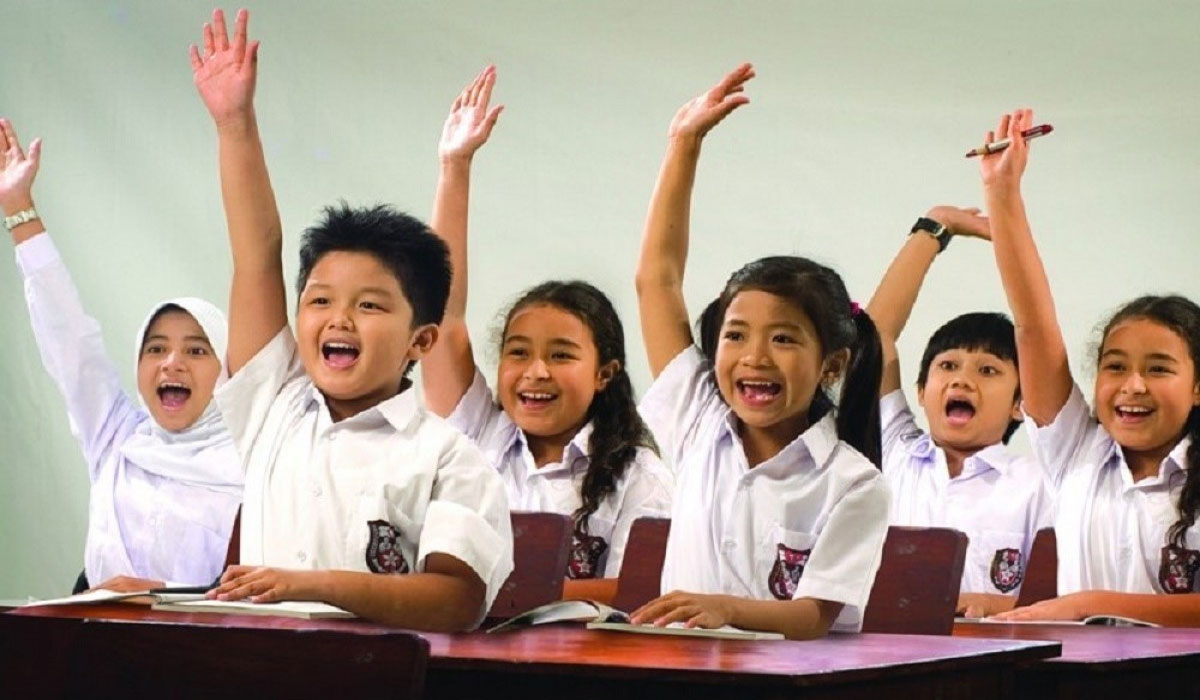
In addition to academic skills, modern education emphasizes character development and emotional intelligence. Children are taught to recognize emotions, manage stress, and empathize with others. Emotional intelligence helps students build healthy social relationships and work effectively in teams, skills that are vital in professional and global contexts.
Character development also includes values such as integrity, responsibility, and environmental awareness. Modern education aims to cultivate not only intellectually capable individuals but also morally wise ones. With strong character, children can make sound decisions, cope with setbacks resiliently, and become positive change agents in society.
The Role Of Parents And Teachers In Modern Education
The roles of parents and teachers are crucial in supporting modern education. Parents serve not only as learning companions but also as role models in applying life skills and values. Strong communication between schools and families ensures children receive holistic support, encompassing academic and emotional growth.
Teachers also transform from mere content deliverers to facilitators and mentors. They motivate students to learn independently, think creatively, and approach problems critically. Modern teachers must understand technological developments, innovative teaching methods, and students’ global needs. Collaboration among teachers, parents, and students is key to ensuring children are ready for a world that is constantly changing.
Conclusion
Modern education is about preparing children to live and thrive in a complex, interconnected world. Children need to be equipped with global competencies, digital literacy, strong character, and the ability to adapt and think critically.
The roles of the education system, teachers, and parents are essential in shaping a generation that is not only academically proficient but also wise, creative, and globally competitive. Modern education is more than teaching; it is about preparing children to become empowered and positive global citizens.
Thank you for taking the time to read and discover the latest insights on preparing children for global challenges, only here on Modern Education Insights Home – Business Yoast.
Image source
First Image www.womanindonesia.co.id
Second Image www.textstudio.com