Simple Steps to Improve Sleep Quality
Sound sleep isn’t just a luxury; it’s an essential part of overall health and well-being, and improving sleep quality can boost your mood.
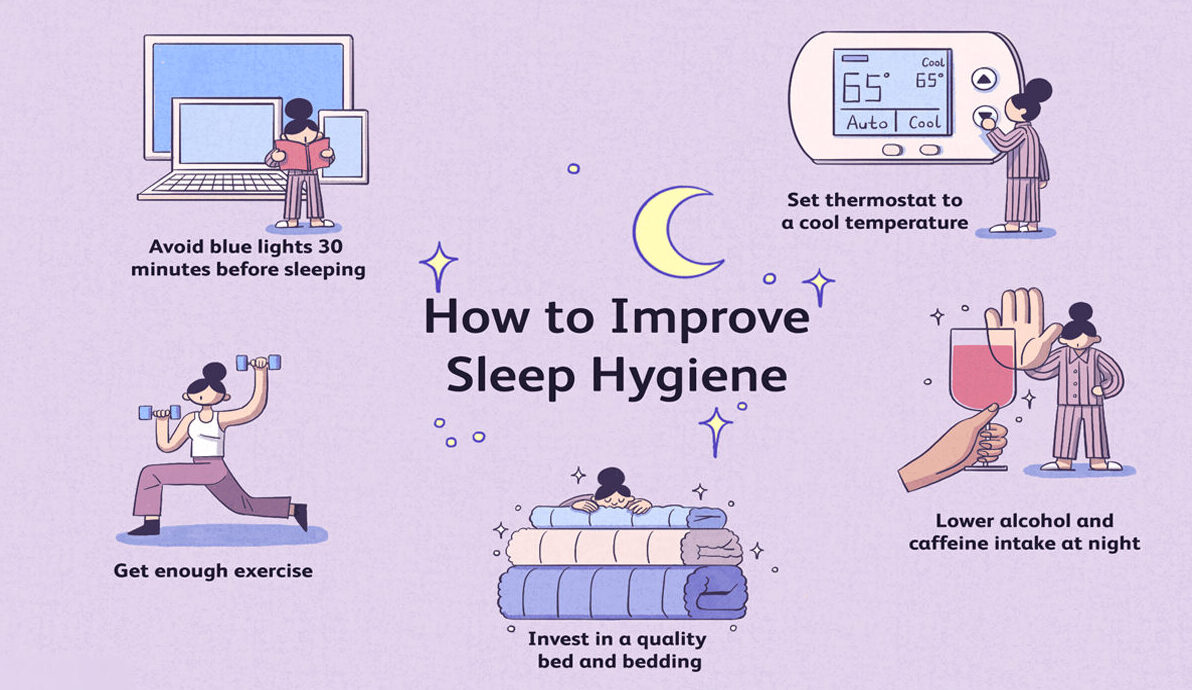
Here are some simple, effective steps you can take to sleep better and wake up feeling refreshed.
The following Home – Business Yoast will explain about simple steps to improve sleep quality.
Establish a Consistent Sleep Schedule
Maintaining a regular sleep schedule is one of the most effective ways to improve sleep quality. Going to bed and waking up at the same time every day helps regulate your body’s internal clock, making it easier to fall asleep and wake up naturally. Even on weekends, try to stick to your schedule as closely as possible to avoid disrupting your sleep rhythm.
Consistency in your sleep routine also helps your body anticipate rest, which can reduce the time it takes to fall asleep. Over time, your body will learn to associate certain hours with sleep, improving the overall quality and depth of your rest.
Create a Sleep-Friendly Environment
Your bedroom environment plays a critical role in how well you sleep. Ensure your bedroom is quiet, dark, and cool, as these conditions signal your body that it’s time to rest. Consider using blackout curtains, earplugs, or a white noise machine to block distractions that may interrupt your sleep.
Comfortable bedding is equally important. Investing in a quality mattress and pillows that support your preferred sleeping position can prevent discomfort and reduce restlessness. By making your bedroom a sanctuary for sleep, you can significantly enhance both the duration and quality of your nightly rest.
Also Read: Lifestyle Hacks: Simple Ways To Upgrade Your Daily Life
Limit Stimulants and Heavy Meals
What you consume in the hours leading up to bedtime can dramatically affect your sleep. Caffeine, nicotine, and other stimulants can interfere with your ability to fall asleep, so it’s best to avoid them in the afternoon and evening. Alcohol may initially make you drowsy, but it can disrupt your sleep cycles later in the night.
Similarly, heavy meals close to bedtime can cause discomfort and indigestion, making it harder to sleep soundly. Opt for lighter snacks if you’re hungry before bed, such as a small portion of nuts, yogurt, or a banana. Eating mindfully and timing meals appropriately can help prevent sleep disturbances.
Incorporate Relaxation Techniques
Stress and mental tension are common obstacles to restful sleep. Practicing relaxation techniques before bed can calm your mind and prepare your body for rest. Deep breathing exercises, progressive muscle relaxation, or gentle yoga stretches can reduce anxiety and promote relaxation.
Mindfulness and meditation are also highly effective for improving sleep quality. Spending a few minutes focusing on your breath or visualizing a peaceful scene can help quiet racing thoughts and signal to your body that it’s time to unwind. Incorporating these practices into your bedtime routine can lead to deeper, more restorative sleep.
Conclusion
Improving sleep quality doesn’t require drastic changes small, intentional steps can make a big difference. By establishing a consistent sleep schedule, optimizing your bedroom environment, avoiding stimulants and heavy meals, and practicing relaxation techniques, you can enjoy more restful nights and energized days. Prioritizing sleep is an investment in your overall health, and with these simple strategies, better sleep is well within reach.
Check out the latest and other interesting information only at simple steps to improve sleep quality.
Image Information Source:
First Image: verywellmind.com
Second Image: comprehensivesleepcare.com