Building Student Character Through Project-Based Learning
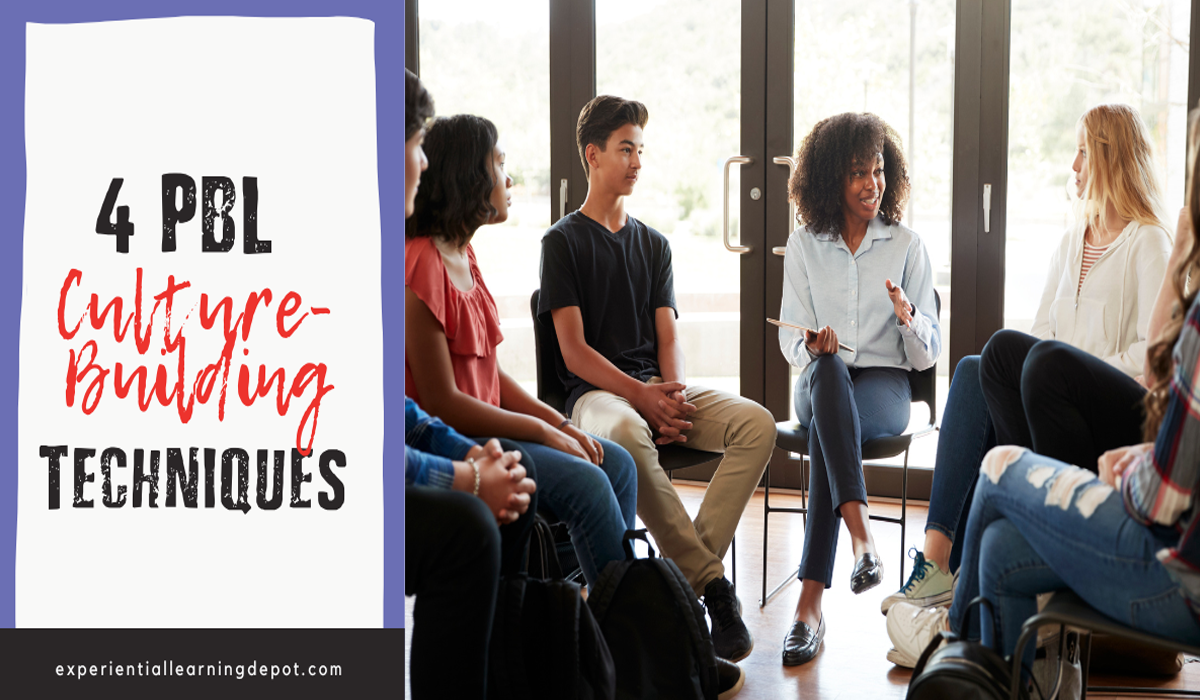
In the midst of increasingly rapid developments, education is no longer sufficient to only emphasize academic aspects schools have a big role.
In shaping students’ character, preparing them to face real-life challenges. One approach that is increasingly being used is Project-Based Learning (PjBL). This method provides students with the opportunity to be directly involved in the learning process through authentic projects related to everyday life.
More than just a teaching method, PjBL is an effective means of instilling character values in students. Below Home – Business Yoast we will discuss character education through PBL.
Why is Project-Based Learning Important for Character Building?
Project-Based Learning places students at the center of the learning process. They not only receive material but are also guided to explore, analyze, create, and present the results of a long process. Through this process, students’ character develops naturally. For example, when students work on projects, they learn to be responsible for agreed-upon tasks. They must manage their time, divide their work, and ensure that their results align with the established goals. Without realizing it, students grow into more disciplined and self-regulating individuals.
Furthermore, PjBL requires students to work collaboratively. The collaborative learning that occurs during project work teaches students to respect others’ opinions, resolve differences maturely, and make decisions together. Collaboration is an important skill that is useful not only in school but also in their future social and professional lives. When students strive to synthesize ideas, communicate, and take responsibility for their roles, character values such as tolerance, empathy, and mutual respect are strengthened.
A Learning Process That Develops Creativity and Independence
Creativity is essential in this digital age full of innovation. Through Project-Based Learning, students are given the space to generate new ideas and solve problems in various ways. They can experiment, try things they’ve never done before, and discover unique solutions. In this process, they learn that mistakes are not something to be feared, but rather a natural part of the learning process. Thus, creativity grows not through coercion, but through the opportunity and freedom provided in the learning process.
Independence is also an important value developed through Project-Based Learning (PjBL). Students are encouraged to seek information independently, determine work steps, and resolve problems that arise during project work. Teachers still provide guidance, but they don’t dictate every detail, so students learn to make their own decisions. This experience gives students confidence that they can complete tasks without always relying on others.
The Teacher’s Role in Optimizing Project-Based Learning

Teachers play a crucial role in ensuring that Project-Based Learning (PjBL) is effective in building character. Teachers need to design projects that are relevant to students’ lives so they feel engaged and fully engaged. Meaningful projects make students feel that their work has a real purpose, which motivates them to give their best.
Furthermore, teachers need to provide a certain amount of freedom for students to explore their ideas. However, this freedom must be accompanied by appropriate guidance to ensure students don’t lose their way. Teachers can observe the group work process and provide feedback if needed. However, the primary focus should not be solely on the final product of the project, but rather on how students navigated the process. This process is the primary vehicle for character development.
Teacher evaluations should also include reflection. After the project is completed, students should be asked to reflect on their experience. Through reflection, they can understand what character values emerged during the project, what challenges they faced, and how they overcame them. Reflection helps students realize how they have grown, both academically and personally.
Long-Term Impact on Student Development
If Project-Based Learning is implemented consistently, the impact is not only visible in the short term. Students will grow into individuals capable of critical thinking, creativity, and strong self-confidence. They become accustomed to working together, communicating well, and respecting differences of opinion.
Characteristics of responsibility and discipline are also developed because they are accustomed to meeting deadlines and completing assignments according to plan. All of these values are important assets for their lives after school, both in. Thank you for reading this article and feel free to come back again by clicking this link Home – Business Yoast.
Image information from:
- The first image of: Experientiallearningdepot.com
- The second image of: Gettingsmart.com